A Incubadora Digital ik e o Projeto LED
A transformação digital, com o seu impacto crescente na vida quotidiana, mudou a sociedade e a economia, destacando a necessidade de níveis mais elevados de competências digitais nos sistemas e instituições de educação e formação.
- Como podemos preparar os alunos para empregos que ainda não foram criados, para enfrentar desafios sociais que ainda não conseguimos imaginar e para utilizar tecnologias que ainda não foram inventadas?
- Como podemos capacitar as pessoas para que prosperem no futuro?
Estas são questões prementes na atualidade, e existe uma necessidade clara de nos prepararmos.
A pandemia da COVID-19 acelerou a necessidade de adoção de tecnologias digitais na educação e revelou desafios e desigualdades no acesso, bem como questões relacionadas com as capacidades digitais das instituições de ensino e formação, a formação de professores e os níveis gerais de aptidões e competências digitais.
O Programa Político «O Caminho para a Década Digital» define o objetivo da UE de desenvolver competências e capacidades digitais, tanto básicas como avançadas, para impulsionar a transformação digital. O programa delineia as metas ambiciosas da UE: garantir que 80 % dos adultos possuam, pelo menos, competências digitais básicas e atingir os 20 milhões de especialistas em TIC empregados. Promove também um maior acesso das mulheres a este domínio e visa aumentar o número de licenciados em TIC até 2030.
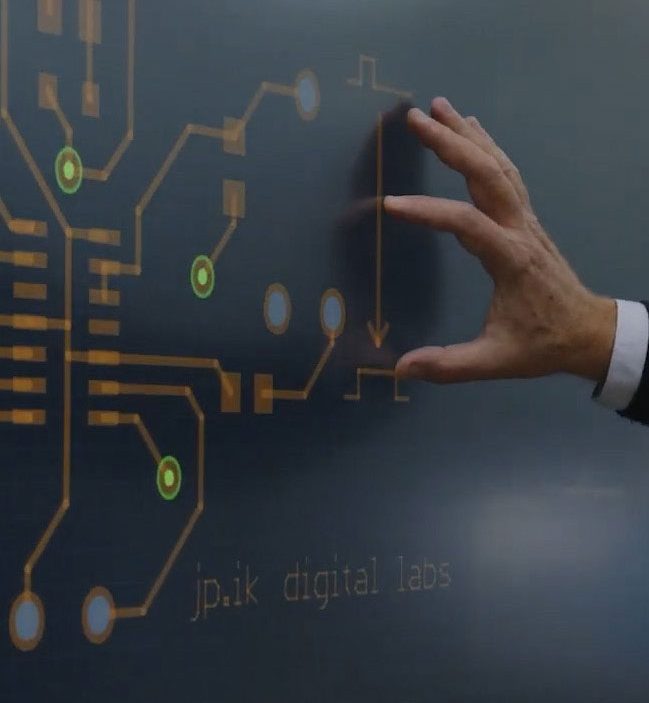
O Projeto LED
Em 2023, a Secretaria-Geral do Ministério da Educação e da Ciência (SGEC) identificou a necessidade de criar Laboratórios de Educação Digital (LED) para todos os alunos do 2.º e 3.º ciclos do ensino básico e do ensino secundário, no âmbito da componente «Transição Digital na Educação» definida no Plano de Recuperação e Resiliência (PRR).
Foi lançado um concurso público para a instalação de laboratórios LED em escolas que abrangem o 2.º e o 3.º ciclos do ensino básico e/ou o ensino secundário, com o objetivo de apoiar as escolas na integração das tecnologias digitais no processo de ensino e aprendizagem.
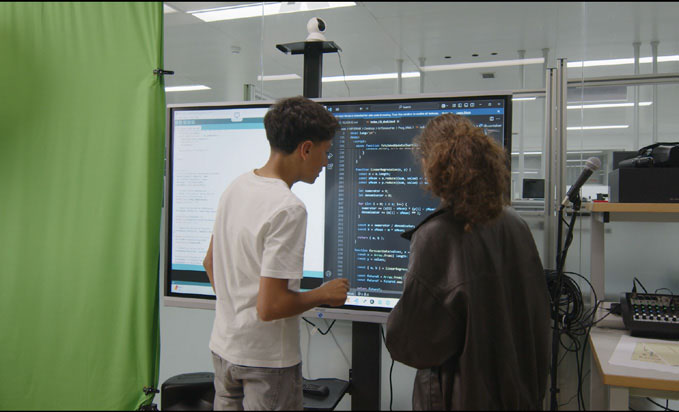
O objetivo era que os laboratórios LED funcionassem como espaços de apoio à aprendizagem, oferecendo tanto a professores como a alunos o acesso e a utilização de recursos e equipamentos tecnológicos, em estreita articulação com o desenvolvimento de atividades curriculares e/ou extracurriculares. Com estes recursos e ferramentas, os alunos poderiam realizar atividades práticas, pesquisar e organizar informações, modelar, manipular variáveis, realizar experiências, analisar resultados, automatizar processos e criar artefactos e soluções, entre outras tarefas — tudo isto para melhorar a sua experiência de aprendizagem e contribuir para o desenvolvimento das suas competências.
Para apoiar estas dinâmicas pedagógicas, seriam também disponibilizados — entre outros materiais — os Cenários de Aprendizagem, aplicáveis a vários contextos disciplinares e interdisciplinares. Estes recursos foram fornecidos às escolas para que os professores pudessem utilizá-los como base para criar ou adaptar os seus próprios cenários e implementá-los com os seus alunos.
Com base em 36 anos de experiência na implementação de tecnologias e em projetos de grande escala em todo o mundo, a jp.ik desenvolveu a solução ideal para responder a esta necessidade. O projeto LED representa a implementação, à escala nacional e no mundo real, da Incubadora Digital ik — a nossa solução concebida para ajudar a reduzir a exclusão digital e proporcionar um acesso justo e alargado às competências digitais do século XXI.
Da falta de infraestruturas à integração significativa da tecnologia na educação
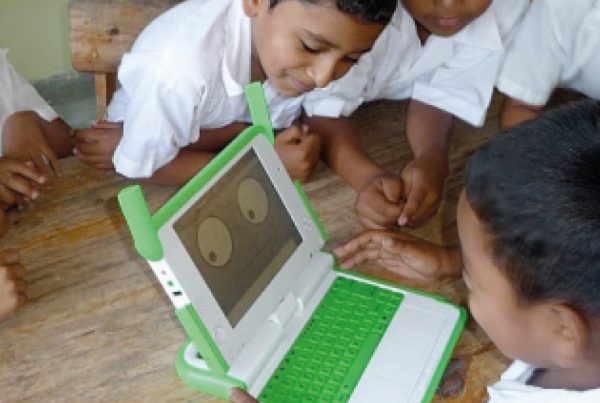
Ao longo da trajetória da jp.ik no setor das tecnologias educativas, o primeiro grande desafio consistiu em garantir o acesso à
tecnologia, tanto para alunos como para professores. Uma vez superado este obstáculo, surgiram rapidamente outros desafios, nomeadamente a falta de infraestruturas adequadas para apoiar um ensino digital eficiente.
Com base nesta necessidade de infraestruturas, desenvolvemos o Centro Comunitário de Aprendizagem (CLC), uma solução integrada com um processo de implementação simples e rápido, destinada a colmatar as lacunas de infraestruturas e a proporcionar um ambiente de aprendizagem mais acessível, moderno e inclusivo.
Com base no CLC, aperfeiçoámos o conceito e, inspirando-nos em modelos como o Future Classroom Lab da European SchoolNet, desenvolvemos o Centro de Inovação Educativa. Este conceito foi concebido para concretizar a nossa intenção de criar um ambiente inovador, oferecendo novas experiências de aprendizagem que desenvolvam competências preparadas para o futuro nos alunos.
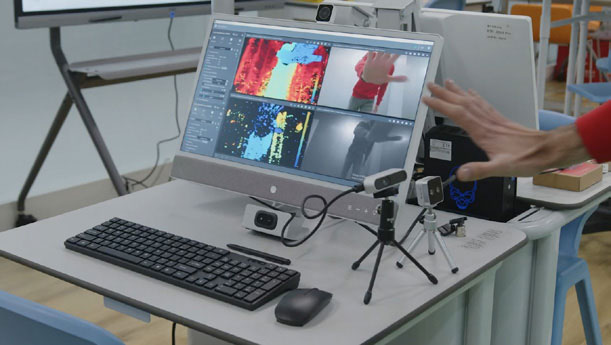
O principal objetivo era criar um espaço que reunisse todas as condições para uma integração significativa e intencional das tecnologias na educação. Assim, com base em todos os conceitos anteriores e apoiados por anos de experiência, nasceu a ik Digital Incubator (ik DI). Tal como o nome «incubadora» sugere, o papel desta solução é apoiar o (re)nascimento de competências adaptadas ao mundo digital e acessíveis a todos.
Uma perspetiva holística sobre o ensino e a aprendizagem
O impacto da transformação tecnológica na forma como vivemos, estudamos e trabalhamos — especialmente com o recente desenvolvimento da IA — exige uma mudança de paradigma na educação. Para aproveitar o potencial transformador das tecnologias e criar experiências educativas significativas, o ik DI oferece um conceito que é simultaneamente material e, acima de tudo, pedagógico, com o objetivo de desenvolver uma perspetiva holística sobre o ensino e a aprendizagem, alinhada com os Objetivos de Desenvolvimento Sustentável.
Para garantir o impacto transformador das tecnologias educativas, é essencial integrá-las em ambientes de aprendizagem com uma intenção pedagógica clara, seguindo os princípios-chave do Design de Aprendizagem: os ik DI foram concebidos para serem espaços colaborativos de experimentação — «Hands-on», «Minds-on» e «Hearts-on» — onde são empregues metodologias de aprendizagem ativas e baseadas em projetos, e onde os alunos são os principais protagonistas do processo de aprendizagem.
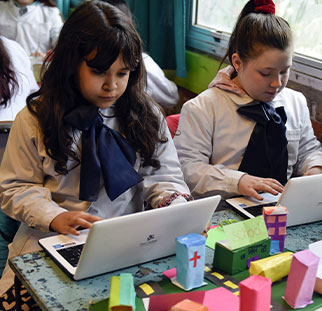
Estes espaços foram concebidos para promover o empoderamento holístico dos alunos, seguindo uma abordagem de literacia digital centrada no ser humano que inclui a aquisição de competências técnicas relacionadas com as áreas STEAM, bem como competências socioemocionais essenciais para o futuro, tais como o pensamento crítico, a resolução de problemas, a comunicação e a cidadania.
Ao mesmo tempo, estes espaços abordam não só o acesso às tecnologias educativas, mas, mais importante ainda, o acesso a uma educação de qualidade, inclusiva e equitativa. Vários estudos académicos defendem que estes ambientes de aprendizagem têm o potencial de democratizar a educação, uma vez que podem acomodar diferentes estilos de aprendizagem e adaptar-se às diversas necessidades dos alunos, democratizando assim o acesso a competências essenciais para a construção de uma sociedade digital cada vez mais ecológica.
Para apoiar os sistemas educativos no processo de transformação educativa, o ik DI oferece uma solução integrada, concebida em estreita colaboração entre especialistas em tecnologia e a equipa pedagógica da jp.ik. Esta solução inclui um processo de implementação faseado, que abrange o planeamento, o reforço de capacidades dos educadores e o acompanhamento do impacto do projeto.
Além disso, a equipa pedagógica da jp.ik realiza continuamente investigação e seleciona experiências educativas que podem ser implementadas nestes espaços. Atualmente, estão disponíveis mais de 240 atividades, totalizando cerca de 520 horas de aprendizagem.
Seleção e implementação de equipamentos no ecossistema educativo
A seleção dos equipamentos que compõem o ik DI baseou-se na experiência interna da jp.ik nas áreas da Tecnologia, Engenharia e Pedagogia, bem como nos seus anos de experiência acumulada na implementação de tecnologias educativas à escala global.
Em consonância com as orientações do Plano de Ação Europeu para a Educação Digital (até 2027) sobre educação digital e com as melhores práticas para a integração da educação STEM no currículo, foram definidos seis fatores-chave em termos de requisitos funcionais e estratégicos:
A solução ik DI foi concebida para ser modular, flexível e escalável, podendo ser implementada na totalidade, parcialmente, por fases ou como prova de conceito. Tendo em conta o investimento contínuo em tecnologia na educação, esta abordagem é considerada essencial para os desafios atuais do ensino e da aprendizagem. Verifica-se uma apreciação crescente deste modelo entre alunos e educadores, bem como entre os decisores políticos na área da educação.
As escolas foram responsáveis por assegurar que todas as condições físicas e recursos humanos estivessem disponíveis para garantir a instalação e o funcionamento dos LEDs. Cada espaço ou sala equipada com LEDs seria devidamente identificado na planta da escola e exibiria sinalética a publicitar o financiamento do PRR, em conjunto com a apresentação de provas da instalação e utilização dos LEDs, através de registos fotográficos e/ou videográficos.
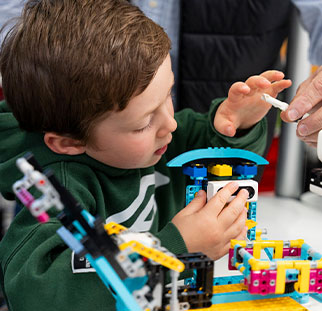
Implementação de LED
O equipamento LED entregue às escolas teve de cumprir todas as especificações técnicas estabelecidas nos diversos procedimentos de adjudicação de contratos realizados pela SGEC, e a capacidade de resposta do mercado implicou a realização de três concursos públicos internacionais em momentos diferentes. Foi definida uma meta de 1 300 LEDs, divididos em quatro áreas: Áreas Comuns, Programação e Robótica, STEM e Artes e Multimédia.
Para garantir a gestão adequada dos laboratórios de LED, seria nomeado um coordenador, responsável por receber, verificar e instalar todo o equipamento entregue ao agrupamento de escolas ou à instituição, bem como por promover a utilização pedagógica destes recursos. Esta pessoa trataria também de quaisquer procedimentos relacionados com a garantia junto dos fornecedores.
O coordenador de LED funciona como ponto de contacto com a Secretaria-Geral da Educação e da Ciência (SGEC) e a Direção-Geral da Educação (DGE).
Dos desafios ao sucesso
A quantidade de produtos, a variedade de materiais e a necessidade de entregar todos os LEDs às escolas ao mesmo tempo exigiram um planeamento muito detalhado por parte da jp.ik.
Todas as áreas da empresa estiveram envolvidas neste planeamento, desde a produção e o desenvolvimento de produtos até ao marketing e à logística. A fim de garantir o sucesso total da operação, a resposta ao concurso público foi feita em parceria com a Bravantic, uma empresa portuguesa especializada em soluções de tecnologias da informação.
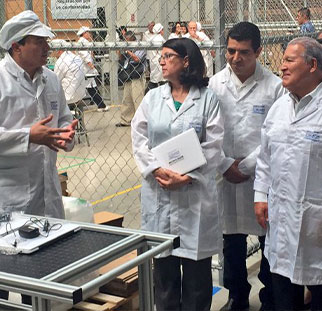
A maior dificuldade consistiu em assegurar a personalização de cada produto e a sua entrega correta a cada escola, tendo em conta a dimensão e a escala do projeto. Para superar estes desafios, foram desenvolvidos alguns sistemas e ferramentas personalizados de gestão de projetos para otimizar a produção e a logística, uns para monitorização, outros para garantir a entrega às escolas.
O resultado foi a entrega de 1 300 LED em 400 escolas por todo o país, o que representa mais de 100 000 produtos, sem um único incidente, superando todas as expectativas do cliente. Este projeto constitui um marco para a jp.ik e demonstra a sua capacidade de fornecer soluções de grande dimensão, complexas e inovadoras.
36 anos a transformar o futuro da educação digital
Os novos laboratórios digitais e a solução ik DI marcam mais um passo inovador na trajetória de 36 anos da jp.ik. Trata-se de soluções digitais abrangentes que oferecem uma nova experiência ao utilizador, permitindo que as pessoas se preparem para profissões emergentes, bem como que se requalifiquem e melhorem as suas competências para responder às exigências de um mundo em transformação digital.
Com base no trabalho já realizado em Portugal com a implementação dos Laboratórios de Educação Digital (LED), o nosso objetivo é promover estes novos conceitos — dos quais somos pioneiros — noutras regiões, com a inteligência artificial a desempenhar um papel central na resposta aos desafios futuros.
Pretendemos implementar estas soluções noutros países como forma de reduzir a desigualdade social e de valorizar e reter o capital humano, que é o ativo mais importante que qualquer país ou região pode possuir.